It is a beautiful morning. The sun has not risen yet, but the melodious tunes of singing birds outside the window are the harbinger of a lovely day. The birds are already up doing their thing: I guess we, too, should get out of bed. Nalia’s house is alive: breakfast is cooking, there’s the morning rush as the kids get ready for school, and the 1,000 things on Nalia’s to-do list. Don’t get me wrong: she’s grateful for the day, just amazed at how early it is, yet there is already so much going on. They eventually make it out of the door. As they drive down the road, the sun lazily peeps from the clouds. I suppose it is also snoozing the alarm bell, but by the time they get to the main road, the day has broken and is full of light. A school drop-off is the first stop: then on to a few other errands before Nalia makes her way to the course. Being early is great: there are few people on the course, so she can play at ease.
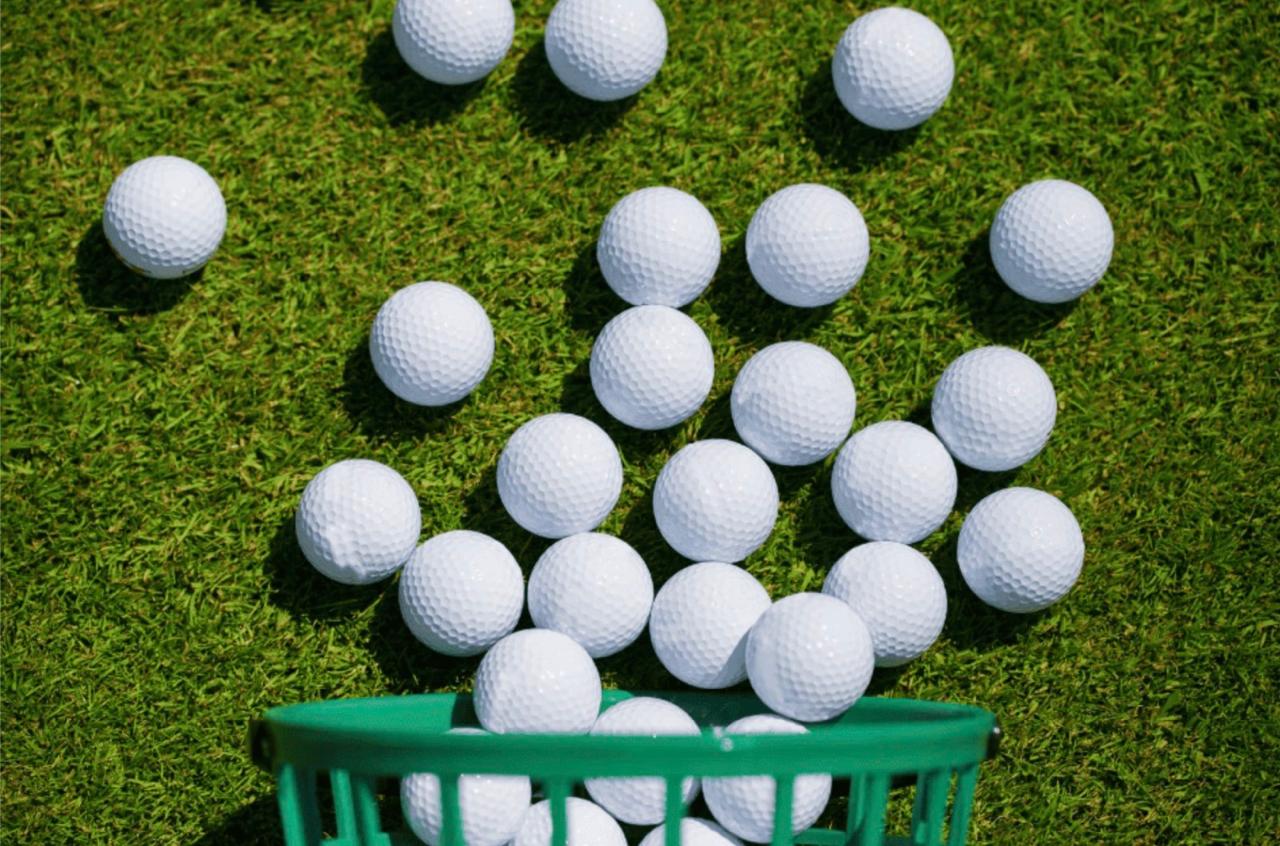
Nalia meets the Tumbos. They are longtime family friends and are there to play. After the usual lovey-dovey hugs and how-do-you-dos, they begin to play. The game picks up rhythm and falls into routine. Tee off, more shots, walk and talk. Hole after hole, they laugh and play as they ruminate about everything and nothing, meandering up and down the beautiful green fairways. An occasional shot goes off into the rough or the trees, but it quickly gets redirected back, and the game continues. Then they get to hole number 12. It is a long par 5, with a beautiful, wide fairway; it should therefore be easy. Nalia’s tee shot doesn’t go as far as she wanted it, and the next shot takes her into the trees. The caddy hands her a club and asks her to play back onto the fairway. It means she doesn’t move forward but across. She looks at the lie of the ball, looks at the trees around her, and there is a clean line of sight: she can play forwards and still get onto the fairway. Her caddy smiles and steps back. He knows she’s still not that good a player, and that only a professional player would take a risk like that. But since she has played well so far, she feels like a pro. Wueh! That is the beginning of the most disastrous game she is to play today. After six short shots, she remains in the trees: she has neither moved forward nor out.
Mr Tumbo walks to her and leans over to whisper, “I see you have received your punishment. Do you want to take a safe shot back to the fairway first and get out of the woods?” Nalia bows her head and smiles: she has truly eaten humble pie. She takes his advice, plays back to the fairway, and from there it’s all bliss as their game picks up again. The caddy smiles: she can see it all over his face, “I told you!” but he is too kind to voice it.
This brings to mind how we live life. We sometimes do things against all advice and logic. We think we have what it takes, or can do it, or are willing to take our chances with luck. But it does not always work out. We persist, knowing that with every minute we stay in the stuck situation, we are digging a deeper hole. Someone once said that if you take the wrong train, get off at the first stop, or else you’ll have to go back a long way. Whether it is the wrong job, the wrong relationship, or the wrong business, it helps to know when to count our losses and let it go. But knowing that moment is not easy. One is not sure whether it is the ego or fear driving our decisions. So how do we get to know when it is time to let go?
Isaiah 30:21 says, ‘And thine ears shall hear a word behind thee, saying, This is the way, walk ye in it, when ye turn to the right hand, and when ye turn to the left.’ (KJV). Every time you come to a crossroad and are uncertain what to do, turn it over to God in prayer. He will show you the way, and as you follow His lead in obedience, he will go with you. He will grant you wisdom (James 1:5 – If any of you lacks wisdom, you should ask God, who gives generously to all without finding fault, and it will be given to you. NIV) and a way out. But if, like Nalia, we insist on having it our way, we’ll only have ourselves to blame for the consequences.
Does this mean we should not take risks? Not at all! Calculated risks are good. But so is obedience to God’s will and sound advice. It also pays to know our ability and not overestimate it.
Nalia is now wiser: next time, she will listen and obey. But she will definitely never forget the 12th hole!